You have a choice
"Only the disciplined ones in life are free"
-Eliud Kipchoge
You can choose your Therapy Place

Orthopedic and Sport Physical Therapy:
Orthopedic physical therapy is a specialized field of physical therapy focused on diagnosing, treating, and preventing injuries and conditions affecting the musculoskeletal system (bones, muscles, ligaments, tendons, joints, and connective tissues) to restore movement, reduce pain, and improve function after injury or surgery, or for chronic issues like arthritis, through personalized exercise, manual therapy, and patient education.
Spine Care:
As we grow older, the risk of developing chronic or recurring back pain rises significantly. Why does this matter for the 50+ crowd? An aching back is not just a nuisance; it can greatly interfere with our everyday quality of life.
The bright side is that when you know more, you can do more. Understanding the facts about back pain—including causes and remedies—will empower you to find lasting relief.
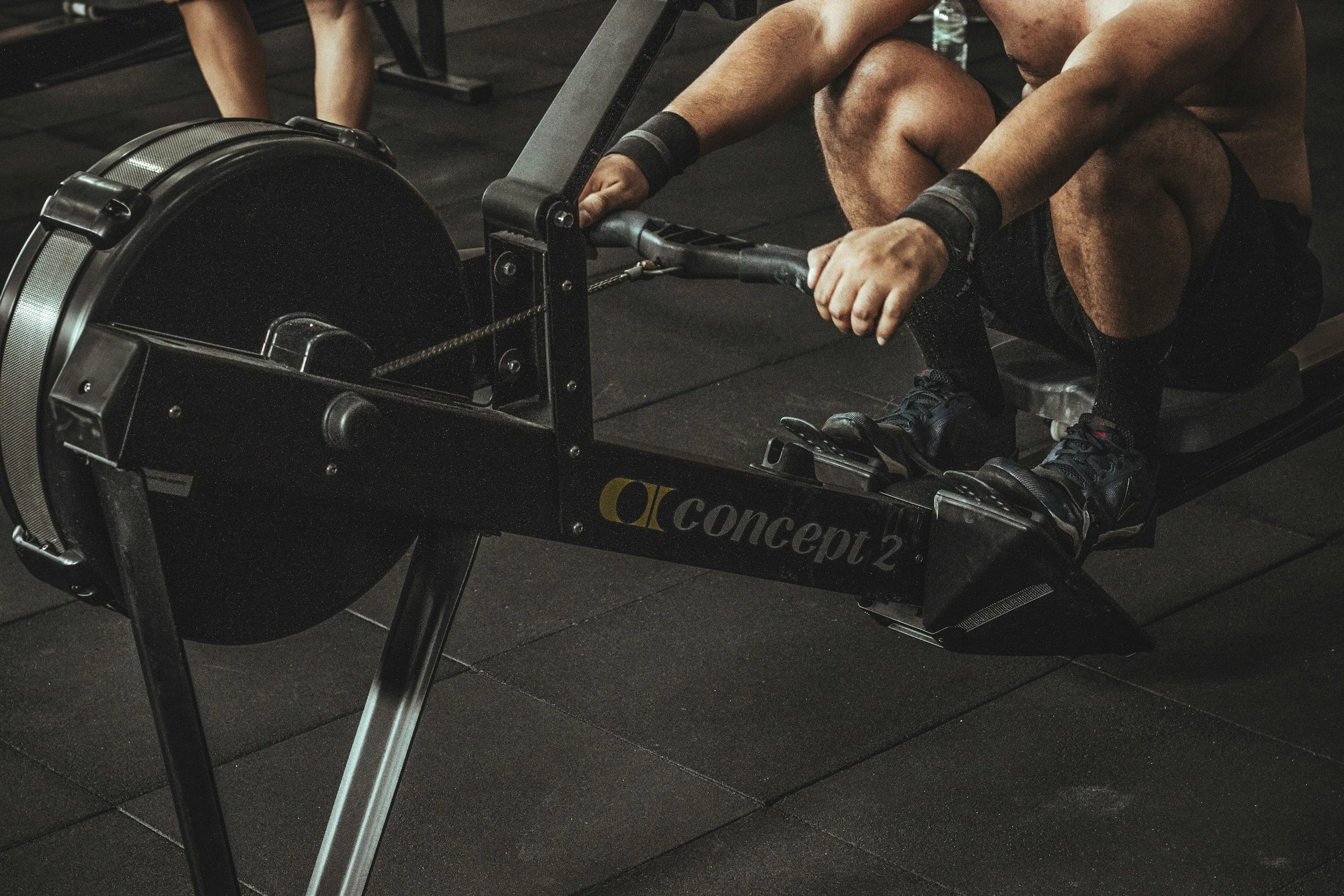
Extremity Rehabilitation:
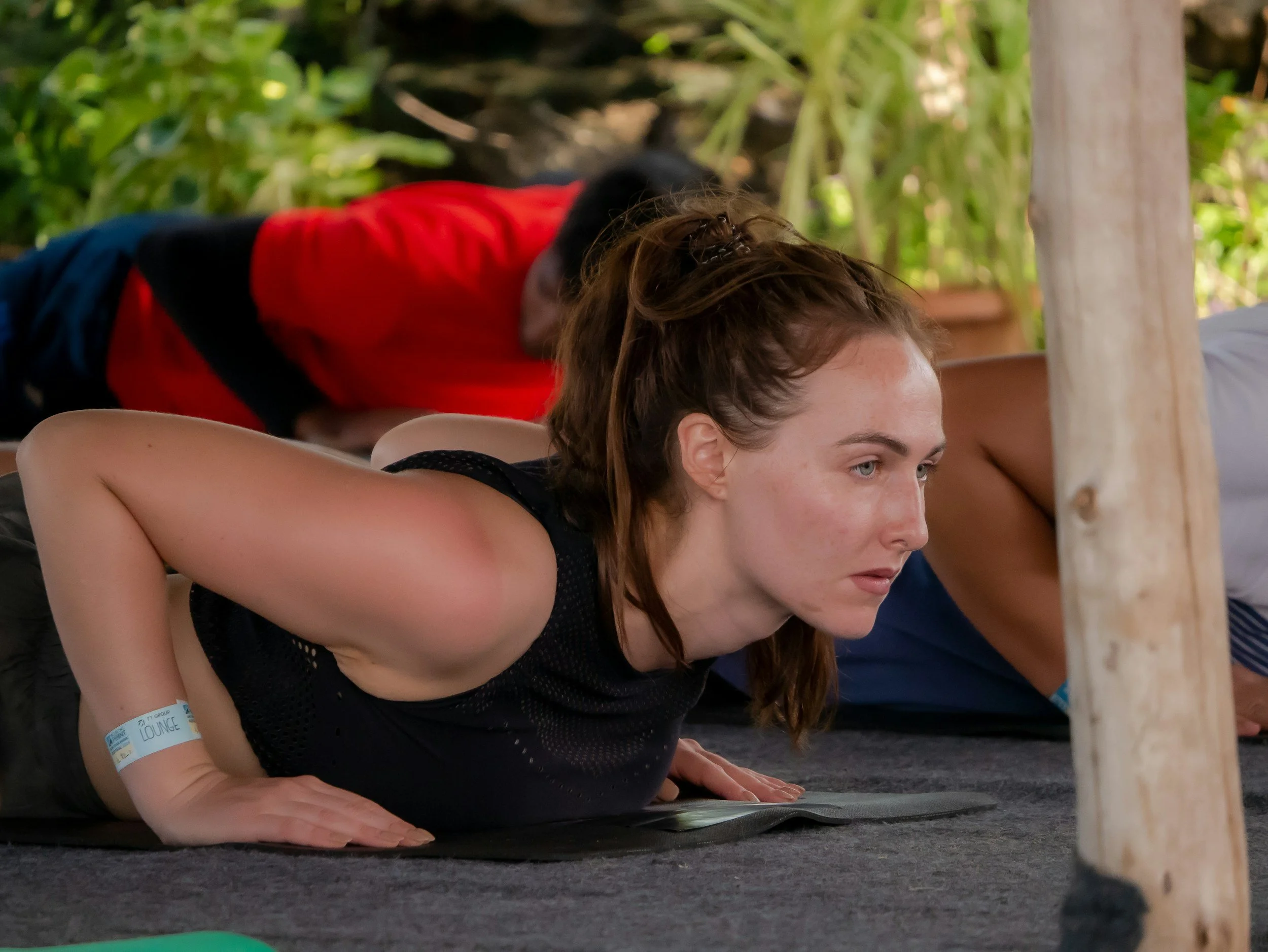
Extremity physical therapy focuses on restoring function, strength, and mobility to the arms (upper extremity) or legs (lower extremity) after injury, surgery, or due to conditions like arthritis, using techniques like therapeutic exercise, manual therapy, and splinting to reduce pain and improve independence in daily activities, with hand therapy being a specialized form for the hand/wrist/shoulder. Examples of such therapies include therapy for rotator cuff injuries, ACL injuries, hip impingement, ankle injuries, tendon/muscle injuries, and strain/sprains, and so on.
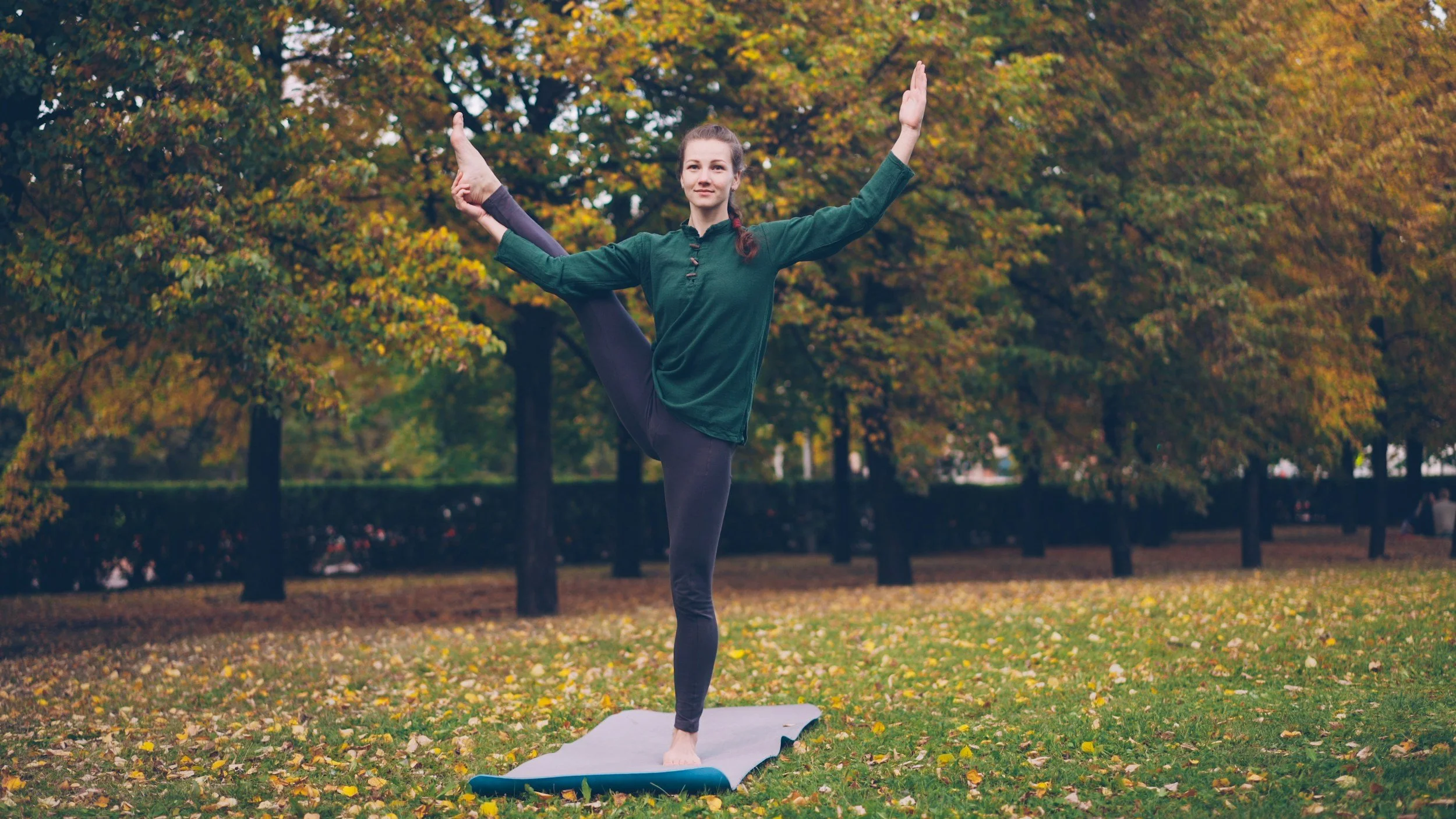
Vestibular and Balance Physical Therapy:
Uses specialized exercises to retrain your brain and inner ear system to improve balance, reduce dizziness, and decrease fall risk, addressing issues from conditions like vertigo by enhancing coordination, gaze stability, and overall stability through personalized, targeted movements and functional training. Therapists work with you to develop a tailored plan, helping you adapt to inner ear changes, improve postural control, and regain confidence in daily activities, often involving gaze stabilization, balance retraining, and education on home safety.
Joint Replacement Rehabilitation:
Physical Therapy after joint replacement is a structured program after hip, knee, or shoulder surgery, using exercises, education, and hands-on techniques to restore strength, mobility, and function, reduce pain/swelling, and help patients safely return to daily activities by strengthening supporting muscles and learning proper movement patterns for their new joint.
Due to the complexities of such surgeries, we do not use Assistants and technicians to treat patients at our facility.
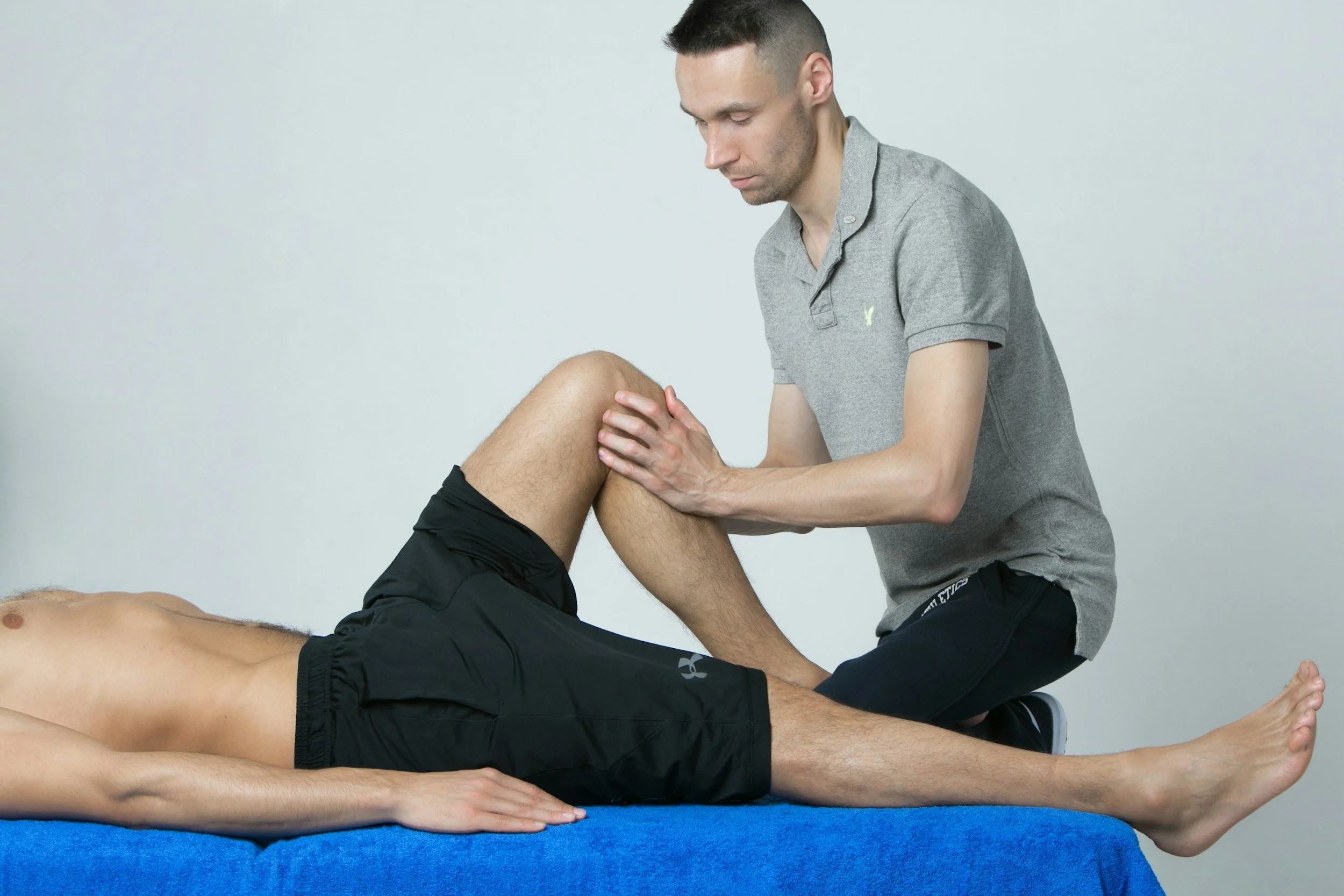
Manual Physical Therapy (MPT):
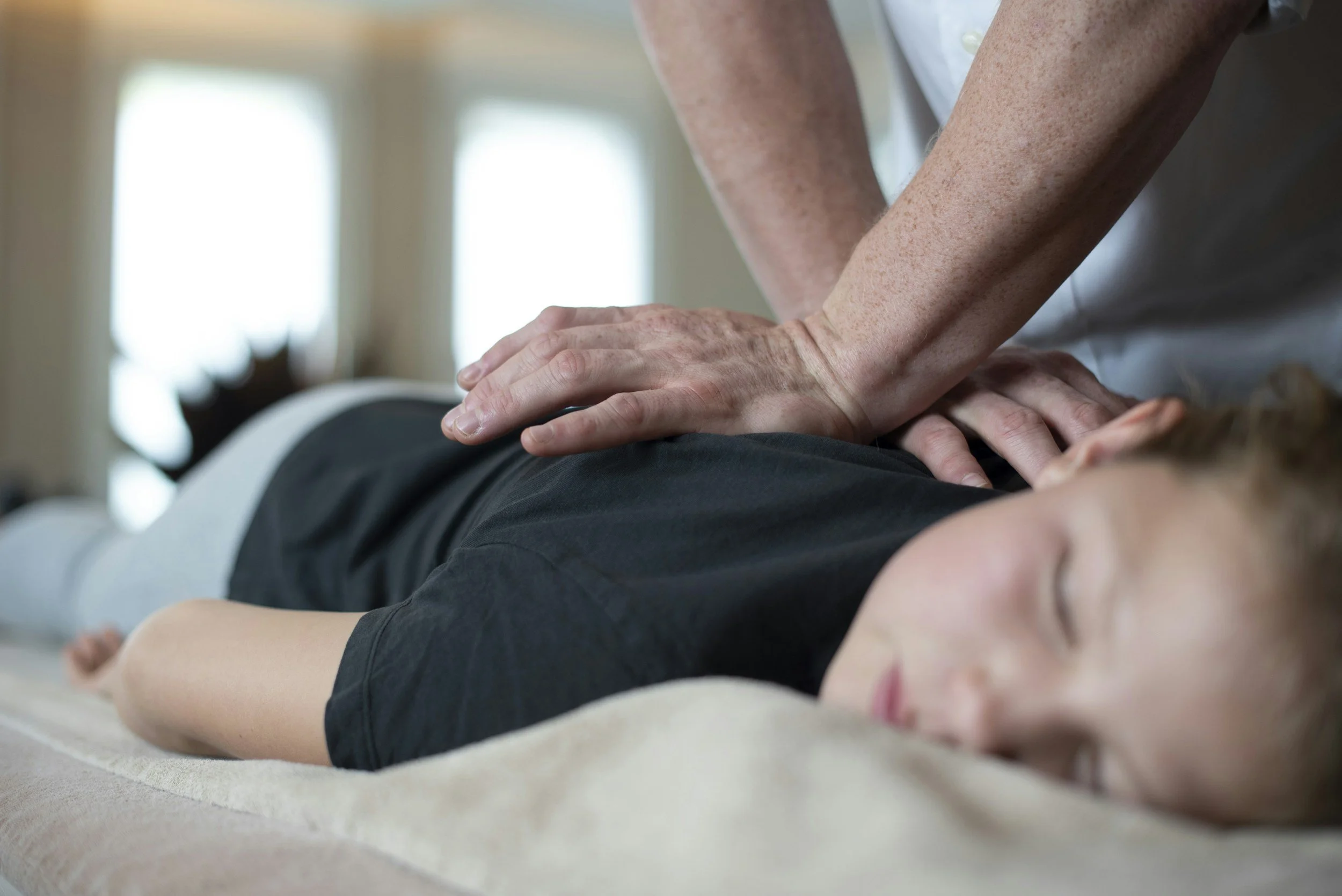
It uses a physical therapist's skilled hands to diagnose and treat musculoskeletal issues like pain, stiffness, and dysfunction by applying targeted force to joints, muscles, and soft tissues, aiming to improve mobility, reduce inflammation, and restore movement through techniques like mobilization and manipulation.
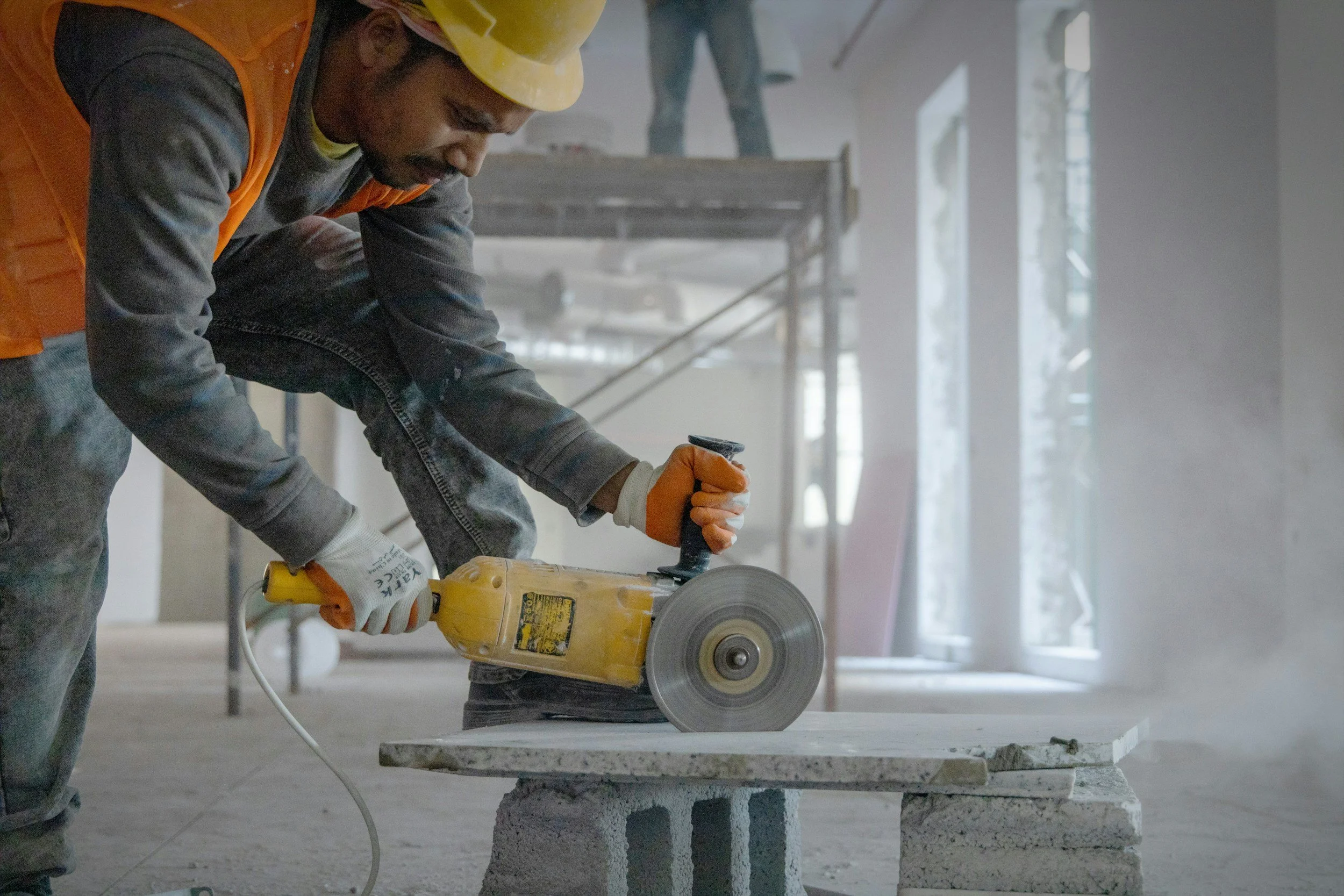
Work Conditioning and Work Hardening are specialized, high-level rehabilitation programs designed to get patients back to work safely, confidently, and job-ready. Ideal for individuals who have completed traditional physical therapy but still struggle with job-specific demands, these programs bridge the gap between recovery and real-world performance
Led by a Physical Therapist with 37 years of hands-on outpatient experience, our program is backed by advanced certification in treating work-related injuries and delivering effective work conditioning and work hardening services. Patients receive expert, results-driven care focused on restoring function, confidence, and productivity.
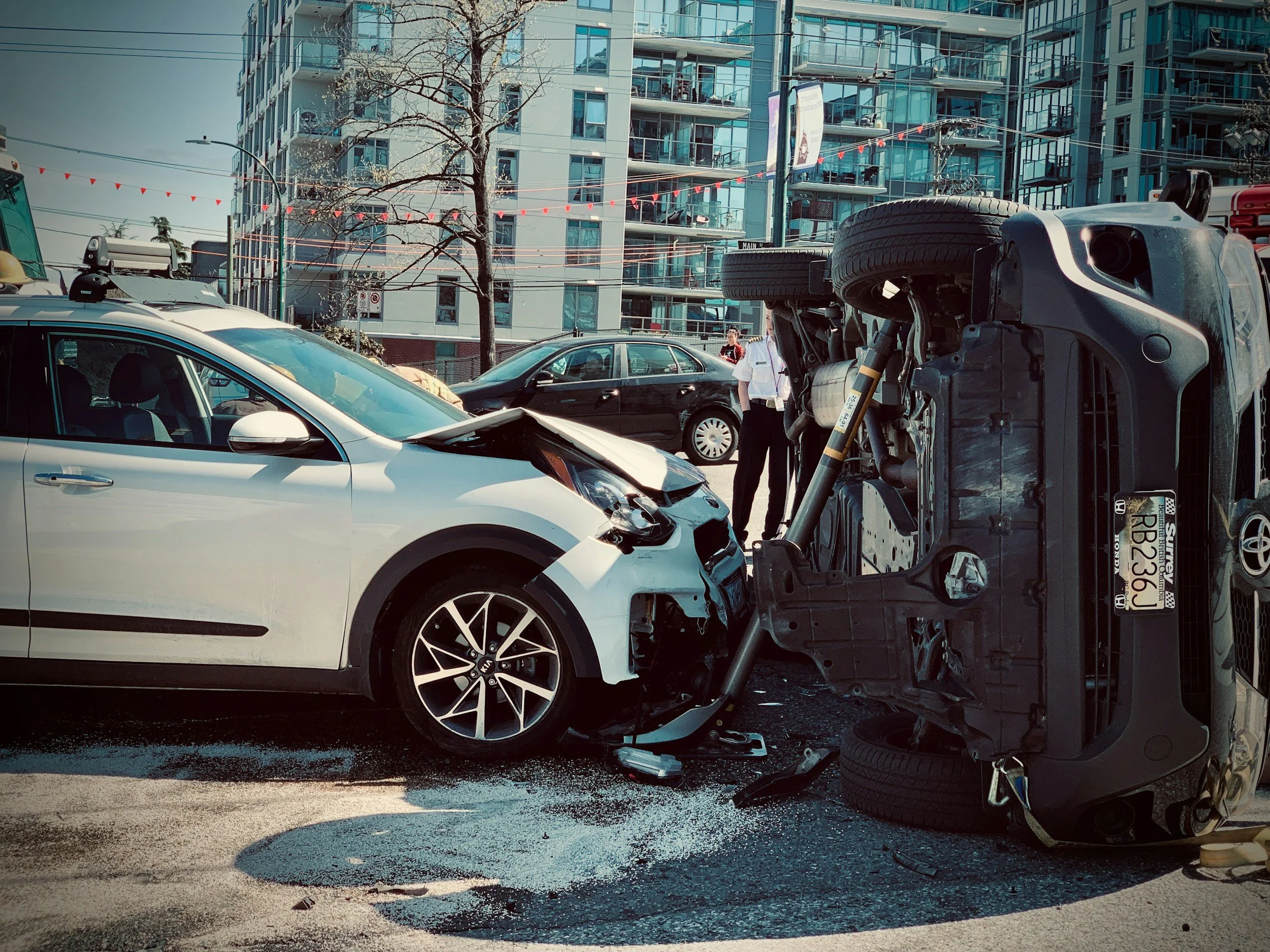
Auto Injury Rehabilitation is a specialized, multidisciplinary physical therapy program designed to treat pain, stiffness, and long-term injuries caused by motor vehicle accidents. Our approach focuses on restoring mobility, reducing muscle spasms, and promoting tissue healing so patients can return to daily life with confidence.
Through personalized treatment plans that combine targeted exercises, hands-on manual therapy, and proven modalities such as heat and cold therapy, we address both immediate symptoms and underlying damage. The result is effective pain relief, improved function, and a faster, safer recovery.
“Functional Training and Functional Fitness for your independence.”